Ossining Locksmith Service Team
Local locksmith team
Jun 3, 2026 11 min read
If you own an older home in Ossining — say, one of the classic colonials or brick two-families near Main Street or along the historic blocks of the Sing Sing Kill watershed — there's a good chance your front door is hiding a secret inside the wood: a mortise lock. These heavy-duty mechanisms have been the standard on American homes built before the 1960s, and while they're remarkably durable, they're also widely misunderstood. Most homeowners don't realize what type of lock they have until something goes wrong — and by then, calling the right locksmith becomes urgent.
This guide is here to help you figure out what's actually on your door, why it matters, and what to expect when it's time for a repair or replacement. Whether you're dealing with a sticky latch, a lost key, or a lock that simply won't turn, understanding your hardware is the first step — and Ossining Locksmith is here to help with the rest, 24 hours a day, 7 days a week.
## What Is a Mortise Lock — and How Do You Know If You Have One?
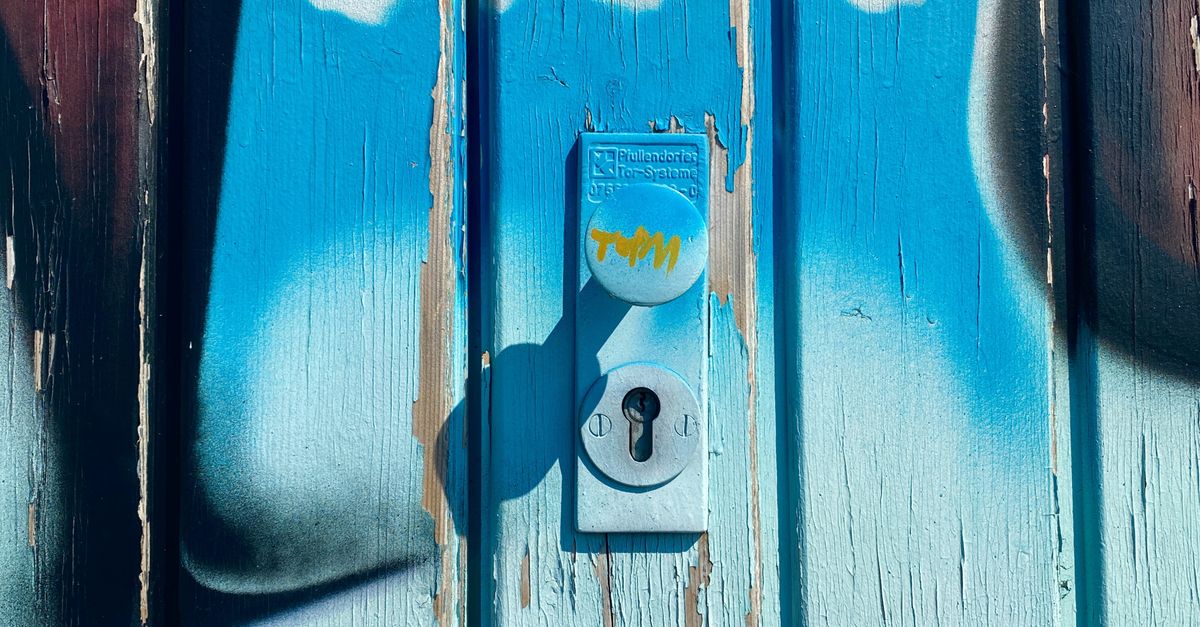
A mortise lock is a lock mechanism that sits inside a deep, rectangular pocket (called a mortise) cut into the edge of the door itself. Unlike modern cylindrical locks — where the locking hardware threads through a simple bored hole — a mortise lock set is a self-contained unit that includes a latch bolt, a deadbolt, a strike plate, and sometimes a built-in knob or lever, all housed in a single metal case. The visible escutcheon plate on the face of the door is often ornate and runs the full length of the hardware. If your door has one long, decorative faceplate with both the knob and the keyhole together, you almost certainly have a mortise lock.
To confirm it: look at the edge of your door (the narrow strip facing the door frame when the door is open). If you see a tall, rectangular metal plate — taller than a standard latch plate, often 7 to 8 inches — that's the mortise lock case sitting inside the door. Compare that to a cylindrical or tubular lock, where you'll see a smaller, rounded latch fitting. Another easy tell: if your exterior door knob doesn't have its own separate deadbolt above it, but the knob itself locks with a key, you're almost certainly looking at a mortise lock set on an exterior door. This integrated design was the industry standard for decades, favored for its strength and the fact that it didn't require multiple bored holes weakening the door.
## Mortise Lock vs. Cylinder Lock: A Side-by-Side Breakdown
The key difference comes down to how the lock is installed and where the mechanics live. A cylinder lock (also called a tubular or bored lock) uses a cylindrical cartridge that fits into a round hole drilled through the door face. This is what you'll find on most doors built after the 1970s — Schlage and Kwikset are common examples. They're easier and less expensive to install in new construction, and replacement parts are widely available at any hardware store. A rim cylinder lock is a related type where the cylinder mounts on the door's surface and connects to a rim latch or deadbolt on the inside — common on apartment doors and older commercial buildings.
Mortise locks, by contrast, require that deep pocket machined into the door's thickness, which is why you can't simply swap one out for a standard cylindrical lock without significant door modification. The upside is that a proper mortise lock set is mechanically far more robust — there's more metal, more throw, and a much larger contact area with the door frame. Legacy brands like Corbin Russwin and Baldwin built mortise locks that have lasted 50, 60, even 80 years in working condition. A Corbin Russwin mortise lock or a Baldwin mortise lock installed in a 1940s Ossining home may well still be functioning today — though the cylinder, springs, or cam may need attention. That longevity is a genuine advantage, but it also means repairs require a locksmith who knows these older mechanisms, not just someone familiar with modern hardware-store locks.
## What Can Go Wrong — and When to Call a Locksmith Ossining NY Homeowners Trust
Mortise locks fail in predictable ways. The most common issues are: a worn or cracked mortise lock cylinder (the removable plug where your key enters), broken internal springs that cause the latch or deadbolt to stop retracting, a stripped cam that disconnects the knob from the latch mechanism, and cases that have shifted inside the door over decades of use, causing misalignment with the strike plate. Older homes also settle, and even a few millimeters of frame movement can turn a perfectly functional lock into one that drags, sticks, or simply won't engage.
If you're locked out of your home and suspect a mortise lock is involved, do not force the door — the internal case can fracture, turning a simple cylinder swap into a full lock replacement. Instead, check for a spare key with a neighbor or family member, look for an unlocked window or secondary entrance, and if those options aren't available, call a professional locksmith right away. Our team at Ossining Locksmith responds across the Ossining area — including neighborhoods near Route 9, the Brookside Avenue corridor, and the village center — typically within 20 minutes. We verify ownership before any work begins and carry the specialized tools to service mortise hardware without damaging your door or the lock case. Call (914) 809-9457 any time — we answer 24/7 and are always glad to help you through a stressful situation.
## Repair, Rekey, or Replace? Making the Right Call on Your Mortise Lock Set
When a locksmith assesses your mortise lock, the recommendation will generally fall into one of three categories. First, a cylinder replacement or rekey: if the lock case itself is sound but the key no longer works reliably — or if you've moved into a home and want to eliminate old keys — a skilled locksmith can often extract the mortise lock cylinder and either rekey it to a new key or swap in a compatible replacement cylinder. This is the least invasive fix and preserves your original hardware. Second, internal repair: broken springs, worn cams, and misaligned latch bolts can often be serviced by disassembling the case, replacing the failed component, and reinstalling — provided the case isn't cracked or heavily corroded. Third, full replacement: if the lock case is beyond repair, or if you're upgrading security, a full mortise lock set replacement is the right move. On an exterior door, this is worth doing properly — a quality mortise lock set for an exterior door provides significantly better resistance to kick-in and manipulation than most cylindrical deadbolts.
What determines the final price? Factors include the specific lock model and whether specialty parts need to be sourced, the condition of the door and mortise pocket, the time of day (our 24/7 availability means we're there when you need us, including overnight and weekends), and travel distance within our service area. We always confirm an exact, up-front price before any work begins — no surprise charges after the job is done. We also accept all major credit and debit cards, so payment is never a hassle.
## Our Full Range of Locksmith Services — Beyond the Mortise Lock
Ossining Locksmith is a fully mobile, 24/7 locksmith serving homeowners, renters, drivers, and businesses throughout the Ossining area. Here's a look at the specific services we provide: 1. Mortise lock repair and cylinder replacement 2. Mortise lock set installation on exterior and interior doors 3. Residential lockout service 4. Rekeying residential locks 5. Deadbolt installation and upgrade 6. Door knob lock repair and replacement 7. Kwikset and Schlage lock installation 8. Smart lock installation and programming 9. High-security lock upgrades 10. Master key system setup for multi-unit homes 11. Lock change after a break-in or eviction 12. Emergency locksmith response — 24 hours, 7 days 13. Car lockout service 14. Auto key duplication and programming 15. Transponder key replacement 16. Key fob programming 17. Broken car key extraction 18. Ignition lock repair and replacement 19. Motorcycle and recreational vehicle lockout 20. Commercial locksmith services for small businesses 21. Office lockout response 22. Commercial-grade deadbolt and mortise lock installation 23. Rim cylinder lock service and replacement 24. Sliding door lock repair 25. Padlock cutting and replacement 26. Safe opening (non-destructive) 27. Window lock repair and installation Whether you need an emergency locksmith at 2 a.m. or a planned upgrade to a commercial-grade door knob lock during business hours, our team is trained on the full range of residential and commercial hardware — including the legacy mortise lock systems that newer locksmiths often aren't equipped to handle.
## Genuinely Local, Genuinely Ready — Locksmith Ossining NY Homeowners Count On
Ossining's housing stock is one of the most architecturally varied in Westchester County — from the Victorian-era homes near Snowden Avenue to the mid-century builds along the river side of Route 9 — and that variety extends to the locks on those doors. Our team works in this community regularly and understands the specific hardware challenges that come with older construction: tight door frames, non-standard mortise pocket dimensions, and lock trim that hasn't been in production for decades. We don't guess. We come prepared with the tools and parts most commonly needed for the homes we actually see in this area.
If you have questions about what's on your door — or you're facing an urgent lockout right now — call (914) 809-9457. We answer 24/7, we'll be glad to help you, and in most cases we can be at your door within 20 minutes. There's no need to wait until morning or struggle with a lock you're not sure about. Ossining Locksmith is mobile, insured, and always nearby.
## How Locksmith Pricing Actually Works — No Surprises
One of the most common questions homeowners have is some version of: how much does a local locksmith charge, or what is a locksmith call out fee? The honest answer is that pricing isn't one-size-fits-all, and any locksmith who quotes a flat rate over the phone without knowing your lock type, your door's condition, or your location is making assumptions that may not hold. The factors that determine your final quote include: the type of lock involved (a standard cylindrical deadbolt is very different from a Baldwin mortise lock with custom trim), whether specialty parts need to be ordered or are in stock, the time of day and day of the week, and travel distance within our coverage area. Some jobs also require more labor time than initially anticipated — for example, a mortise lock case that's been painted over or has a stripped set screw adds time to the job. We walk through all of this before we start, confirm an exact price, and only proceed with your approval. No hidden fees, no after-the-fact add-ons.
Frequently asked questions
What is a mortise lock, and is it still a good lock to have?+
A mortise lock is a locking mechanism housed in a rectangular case that's set into a carved-out pocket inside the door edge. It integrates the latch, deadbolt, and cylinder into a single unit. Yes — when properly maintained, a mortise lock is genuinely strong hardware. The large case and substantial bolt throw make it resistant to common forced-entry attempts, which is why many security professionals still recommend them for exterior doors. The key is keeping the cylinder and internal components serviced.
What locks can a locksmith not open?+
A skilled, experienced locksmith can open the vast majority of residential and commercial locks non-destructively — including mortise locks, deadbolts, rim cylinder locks, and most high-security locks. Certain specialized high-security mechanisms with anti-pick, anti-bump, and anti-drill features may require more time or in rare cases a destructive entry approach, but this is uncommon. What a reputable locksmith will never do is open a lock without verifying that the person requesting service has a legitimate right to access the property — that verification step is non-negotiable regardless of lock type.
How long does a mortise lock repair or replacement typically take?+
A cylinder rekey or swap on a functioning mortise lock usually takes 20–40 minutes for an experienced locksmith who carries the right tools. A full internal repair — disassembling the case, replacing a broken spring or cam, and reinstalling — can take 45 minutes to over an hour depending on the lock's condition and age. A complete mortise lock set replacement, including proper fitting and alignment, typically runs 1–2 hours. We'll give you a realistic time estimate along with your price confirmation before starting.
My Ossining home has an older Corbin Russwin or Baldwin lock — can you service it?+
Yes. Corbin Russwin and Baldwin are two of the most respected legacy mortise lock manufacturers, and their hardware appears regularly in older Westchester County homes. Our team is experienced with these systems, carries common cylinder formats that are compatible with legacy cases, and can source specialty parts when needed. If you're unsure what brand or model is on your door, we can identify it on-site and walk you through the options before any work begins. Call (914) 809-9457 and we'll get you sorted out.