Ossining Locksmith Service Team
Local locksmith team
Apr 8, 2026 11 min read
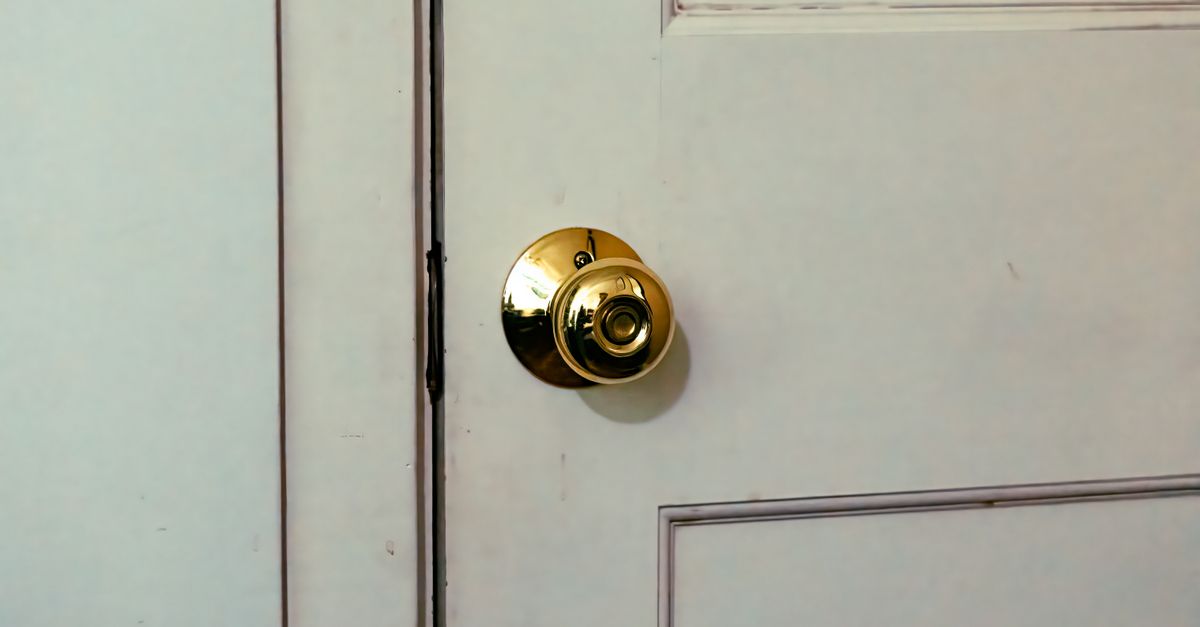
You just moved into a new place on Croton Avenue, or maybe your keys went missing somewhere between the Ossining Metro-North platform and your front door — either way, you're staring at your door knob lock wondering what to do next. Do you call a locksmith and have the lock rekeyed, or do you replace the whole thing? It's a question that comes up constantly, and the answer actually matters: one option leaves your home just as secure as a brand-new lock, while the other makes more sense only in specific situations. Getting it wrong means either overspending or underprotecting.
This guide breaks down both options honestly, walks you through the real scenarios where each one wins, and helps you have an informed conversation with a locksmith before any work begins. Whether you're dealing with a standard door knob with lock and key, a heavy-duty mortise lock on an older Ossining home, or a bedroom privacy knob that needs an upgrade, the decision tree is simpler than you might think — once you know what you're actually choosing between.
## What Rekeying Actually Does to Your Door Knob Lock
Rekeying is a process that changes the internal pin configuration of your existing lock cylinder so that the old key no longer works — only a new key cut to the new configuration will open it. The lock hardware itself, the door knob, the strike plate, and the deadbolt body all stay exactly where they are. A trained locksmith disassembles the cylinder, swaps out the driver pins and key pins, reassembles everything, and cuts you a new key on the spot. The result is functionally identical to installing a brand-new lock: anyone holding an old key cannot get in. This is the core reason rekeying is almost always the right first call after a move or a lost key — the security outcome is the same as replacement, but far less hardware is involved.
A common misconception is that an older or worn lock knob means rekeying won't work. In most cases, if the cylinder is in good working condition — meaning the key turns smoothly, the latch retracts cleanly, and there's no wobble in the core — rekeying is perfectly viable. The pin tumblers inside are independent of the external wear on the knob itself. However, if the lock is a proprietary or high-security cylinder (certain mortise lock configurations, for example), your locksmith will assess whether the cylinder is rekeyable on-site before quoting any work. At Ossining Locksmith, we confirm an exact up-front price before touching anything — no surprises once the job is done.
## When Full Door Knob Lock Replacement Makes More Sense
There are clear situations where replacing the lock hardware entirely is the smarter move, and a trustworthy locksmith will tell you so even when it means a simpler job. First: if the lock is damaged. A door knob with lock that has a cracked housing, a sticky or grinding cylinder, or a latch that doesn't seat properly in the strike plate is already compromising your security — rekeying a broken cylinder doesn't fix the mechanical failure. Second: if you're upgrading your security grade. Many builder-grade door knob locks installed in tract homes are Grade 3 (residential light-duty), and moving to a Grade 1 or Grade 2 lock, or switching to a mortise lock system entirely, requires new hardware. Third: if you want to rekey multiple locks to a single key (called keying alike) but the existing locks are different brands or cylinder types — Schlage and Kwikset cylinders, for instance, use different keyways and generally can't share a key without hardware changes.
A fourth scenario that often gets overlooked: if your door has a mortise lock pocket already routed into it — common in older Ossining homes built in the early- to mid-1900s, particularly in the historic districts near the waterfront — you're dealing with a different animal than a modern cylindrical knob. Mortise lock service is a core specialty for our team. Mortise lock cylinders are replaceable without changing the entire lock body, and the trim (knob, lever, or pull) can be swapped independently. A skilled locksmith who understands mortise lock anatomy can often restore a 70-year-old mortise lock to full working order for a fraction of what complete door hardware replacement would cost — and preserve the original aesthetic of a historic door in the process.
## The Honest Decision Framework: Rekey or Replace?
Run through this checklist before you call. If every answer is yes, rekeying is almost certainly your best path: (1) The lock operates smoothly — no grinding, sticking, or play in the cylinder. (2) The reason you need a change is key control, not mechanical failure — a move, a lost key, a roommate who moved out, or a relationship change. (3) You're satisfied with the current security level of the hardware. (4) You have no interest in switching to keypad, smart lock, or a different lock format. If any of those answers is no, replacement deserves a conversation. Be honest with your locksmith about what's been happening with the lock — how long it's been stiff, whether it's been forced before, whether the door itself has shifted in the frame. That context shapes the recommendation.
One practical middle ground that homeowners often don't know exists: a locksmith can rekey your existing door knob lock AND replace only the cylinder in a mortise lock or deadbolt on the same door in a single visit, giving you one key for everything. If you've got a house with three exterior doors and a mix of old and new hardware, a professional can assess each lock individually and build you a master-keyed or keyed-alike system that makes daily life simpler without replacing everything. If you're in the Ossining area and unsure where to start, call us at (914) 809-9457 — we'll walk you through your options before the truck rolls, and we'll be glad to help you find the right solution for your specific door setup.
## Mortise Lock, Emergency Locksmith, and Commercial Locksmith Services We Offer
Ossining Locksmith is a 24/7 mobile operation serving Ossining, NY and the surrounding Westchester County communities — and we're structured to handle far more than a simple rekey. Here is a specific look at what our team handles on a regular basis: 1. Door knob lock rekeying (residential) 2. Deadbolt rekeying (single and double cylinder) 3. Mortise lock cylinder replacement 4. Mortise lock full restoration and service 5. Door knob with lock installation (Grade 1, 2, and 3) 6. Keyed-alike systems for multi-door properties 7. Master key system design and installation 8. Smart lock installation and programming 9. Keypad lock installation (residential and commercial) 10. Lock-out service — residential (ownership-verified) 11. Lock-out service — commercial (business-verified) 12. Emergency locksmith response — 24/7, including weekends and holidays 13. Broken key extraction (cylinder and ignition) 14. High-security lock upgrades (Schlage B-series, Kwikset SmartKey compatible) 15. Door frame and strike plate reinforcement 16. Sliding door and patio door lock service 17. Mailbox lock replacement 18. Cabinet and interior door lock installation 19. Door knob with lock for bedroom (privacy and keyed) 20. Commercial locksmith services — storefront and office 21. Commercial mortise lock installation and service 22. Push bar / panic bar installation and service 23. Access control system installation 24. Safe opening and combination changes 25. Car lockout service (ownership-verified) 26. Automotive key cutting and programming 27. Transponder key and key fob replacement 28. Ignition cylinder repair and replacement We accept all major credit and debit cards on-site — no need to scramble for cash when you're already dealing with a stressful situation. Our mobile units carry the hardware and tools to handle the vast majority of these jobs in a single visit.
## What Affects Your Quote — and What to Ask Before Work Starts
Pricing for locksmith work depends on several real variables, and any trustworthy professional will explain them before starting. The factors that shape your quote include: the type of lock (a standard cylindrical door knob lock is simpler to service than a heavy-duty commercial mortise lock); the time of day (emergency locksmith calls at 2 a.m. involve different logistics than a scheduled afternoon appointment); travel distance from our location to yours; and whether parts — new cylinders, keys, hardware — are needed or if the job is labor-only. A rekey is typically a labor-and-small-parts job. A full lock replacement adds the cost of the new hardware itself, which varies by brand, grade, and features. The right question to ask any locksmith before they arrive: 'Will you confirm the exact price before any work begins?' We will — always. There is no after-the-fact billing surprise with Ossining Locksmith. We assess the job, give you a firm number, and you decide. That's the only way it should work.
It's also worth addressing a question we hear often: what locks can locksmiths not open? A trained locksmith can open the overwhelming majority of residential and commercial locks through legitimate, non-destructive methods — including high-security cylinders — given proper proof of ownership or authorization. There are some proprietary high-security systems designed specifically to resist both picking and bypass, and in those cases, destructive entry (drilling) may be the only option, after which the lock is replaced. Regarding cost per hour — most locksmith work is quoted as a flat job rate, not an hourly rate, which is better for the customer because there's no incentive to work slowly. Some complex or extended jobs (like a multi-lock commercial rekey or safe work) may be quoted differently, and we'll tell you upfront which applies to your situation.
## A Note on Security in Ossining and Why Key Control Matters
Ossining, NY sits along the Hudson River in southern Westchester County — a community of historic neighborhoods, a busy downtown corridor near Main Street, and a mix of single-family homes, multi-family buildings, and commercial properties stretching from the waterfront up toward Route 9. Like any Westchester community of its size and density, residential security is a genuine concern for homeowners and renters alike. While Ossining's crime statistics are publicly tracked and vary by year and neighborhood, the most consistent locksmith calls we receive aren't from break-in victims — they're from people who moved in without changing the locks, or who lost a key and aren't sure who else might have a copy. Key control is the low-effort, high-impact part of home security that most people skip. Rekeying after a move costs you very little in time or money compared to the alternative of not knowing who has a working key to your front door. If you've never rekeyed since moving in — especially if you're in a property with previous tenants or owners — that's the single most practical step you can take today. Our team responds throughout the Ossining area and can typically reach most locations within approximately 20 minutes of your call.
Frequently asked questions
How much does a local locksmith charge for rekeying vs. replacement?+
There's no single universal number because the final price depends on the type of lock (a standard door knob lock differs from a commercial mortise lock), the number of locks being serviced, whether new hardware is needed, the time of day, and your location. At Ossining Locksmith, we give you a confirmed, exact price before any work starts — call (914) 809-9457 and we'll discuss your situation and give you a clear figure upfront.
What is a locksmith call-out fee, and do you charge one?+
A call-out fee (sometimes called a service or dispatch fee) covers the cost of sending a technician to your location regardless of what work is performed. Whether or how it applies, and how it factors into your total quote, varies by provider. When you call us at (914) 809-9457, we explain exactly how your quote is structured before anyone is dispatched — so you know what you're agreeing to before we arrive.
What locks can locksmiths not open?+
Experienced locksmiths can open the vast majority of residential and commercial locks through non-destructive methods, including many high-security cylinders, with proper ownership verification. The exceptions are a small category of specially engineered, proprietary high-security locks designed to resist all bypass methods — in those cases, controlled destructive entry (drilling) followed by replacement may be the only option. We'll always tell you which approach applies to your specific lock before proceeding.
Is rekeying a door knob lock actually as secure as buying a new one?+
Yes — when done correctly by a trained locksmith, rekeying provides the same level of key security as a brand-new lock. The old key will not operate the cylinder after rekeying; only the newly cut key will. The only scenario where rekeying falls short of replacement is when the existing hardware itself is worn, damaged, or a lower security grade than what you need — in that case, your locksmith should recommend replacement and explain why.